




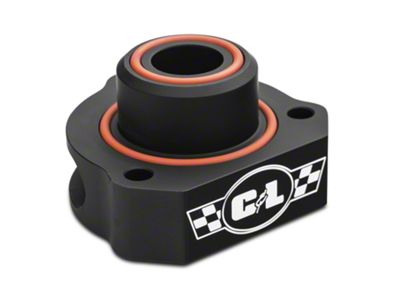
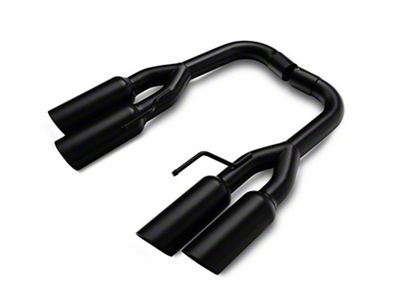
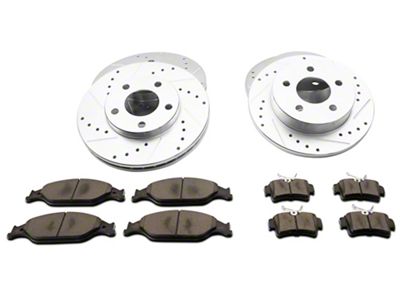
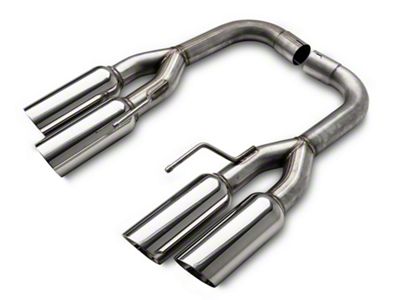
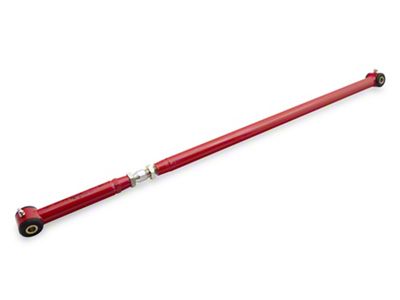
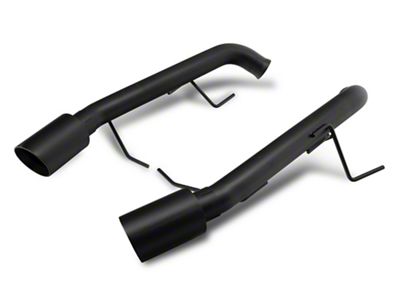
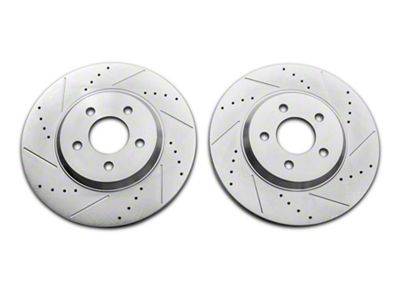
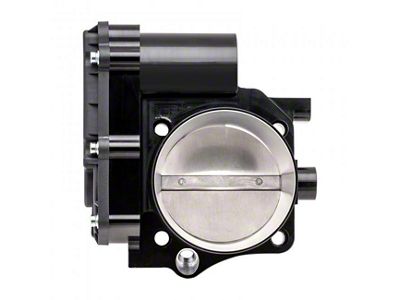
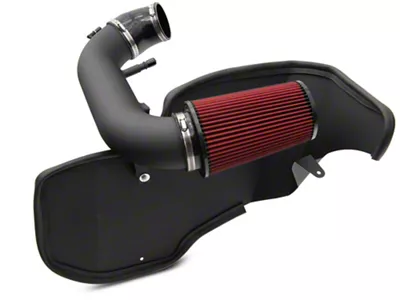
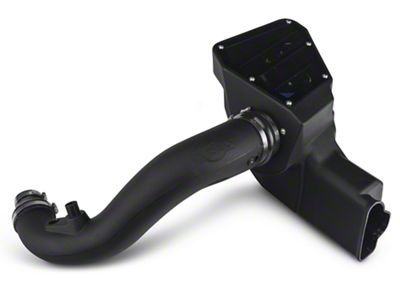
Increase the power produced by your car by investing in C&L cold air intakes at a reasonable price. This intake upgrade brings more cold air to your engine, which is important for creating more power during the combustion cycle. Gasoline engines create power by burning fuel along with oxygen. Cold air has more oxygen than warm air does, so by bringing cold air to the combustion chambers of your car, you can make your engine generate more power with the fuel it burns. This is a big deal because it makes the engine more efficient, more powerful, and more fun to use. Different cold air intakes offer different levels of performance improvements by C&L products are known for being some of the best on the market, which is why we offer them at American Muscle.
Invest in C&L Cold Air Intakes for Enhanced Power
Cold air intakes are an affordable way to make your vehicle more powerful because they increase the power generated during combustion while only changing your car slightly in the process. These upgrades aren’t just affordable to purchase, but they are simple to install as well. Most garages can complete a C&L cold air intake install in just an hour or two, and you’ll enjoy performance upgrades from then on after the work is done. C&L cold air intakes offer the following perks to your ride:
- high flow air filter
- simple installation
- no computer re-tune necessary
- increases horsepower and torque
- maximum air flow to engine
- engineered and bench tested quality
If you invest in C&L cold air intakes, you are paying for a better pathway for air to flow to your vehicle’s engine. Your engine will generate more torque and horsepower as a result. You usually don’t need a re-tune after having one of these upgrades installed on your ride, which means that the work involved is even less. You’ll enjoy the maximum power upgrade by getting one of these carefully engineered and bench-tested parts from C&L, which is why they are a good investment. With so many different cold air intake replacements available on the market today, it’s helpful to know of a good brand to spend your money on.
Protect Your Engine and Enjoy Style with C&L Cold Air Intakes
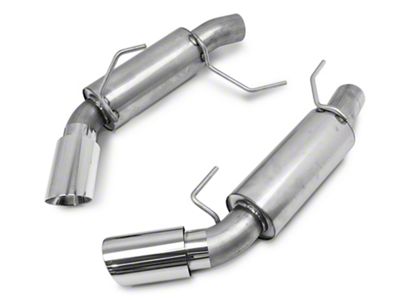
A good intake upgrade doesn’t just boost the power of your vehicle, though; it also helps protect your ride. These enhanced parts come with superior air filters that actually filter out more dust and debris during operation. That means your engine will remain cleaner and stay in better shape over time. By investing in better filtration for your ride, you will enjoy long-term performance and protection for your engine. A cold air intake also helps to keep your engine cooler during operation, and that’s another real benefit to making this upgrade. If you want the best for your engine and long-term performance and health, investing in C&L cold air intakes makes sense. Cold air intakes are one of the first upgrades that many car owners make to their vehicles because they are affordable and simple to install. These engine improvements don’t require a tune-up after they’re installed, which is a big deal, especially if you are doing the work yourself. Many car owners also opt for a tuner chip alongside a cold air intake system to increase the power of their ride. There are many other enhancements you can make to your vehicle as well to make it more enjoyable to use. Consider investing in a different exhaust system as well to help your engine run at an even higher performance level. Different exhaust components also change the sound of your ride to give it a more custom sound overall. As long as you know what you want for your vehicle, you can get the right exhaust and intake components to achieve the results from American Muscle. We supply high-quality brands for performance cars, and we have the tools, the parts, and the quality to take standard cars and optimize them for performance or for racing.